

The cultivation Business customer outreach experience (B2B) efficiency is vital, because this is not just the process of selling a product but the whole journey of selling a solution and building a sustainable partnership.
If you are facing challenges such as trouble finding leads, high rejection rates and a tiring long sales process, this article is the most detailed, detailed and practical roadmap that you are looking for to solve these problems thoroughly.
💡 Effective B2B outreach is always within the broader marketing picture. If you want to see the big picture, take a look at Comprehensive marketing guide for SME before we dive into each channel.
PART I: GOOD PREPARATION FOR HIGH SUCCESS
Before sending out your first email or making your first call, success in reaching your business customers is determined by the preparatory phase.
Many salespeople fail not because of poor communication skills, but because they enter “battle” without a map, without a clear understanding of the terrain, and even less knowing who the opponent is.
Building a strong foundation is a strategic step that helps you optimize your efforts and increase your success rate exponentially.
Market and Competitors Research
The old saying “you know who knows you, win win” is never outdated, especially in the B2B business. However, market research does not stop at listing a few competitors.
The deeper goal is to Unique Selling Proposition (USP) yours and find out “blue ocean.” – market gaps where you can become a leader.
- Market Analysis: Capture the general trends of the industry, the size of the market, and the macro factors (politics, economy, technology) that are impacting your customers. This helps you have a picture of the landscape and forecast future demand.
- Competitor Analysis: Mapping competition and evaluating competitors based on the criteria: core products/services, pricing models, marketing and sales strategies, strengths, weaknesses. Most importantly, put yourself in the customer’s shoes and answer: Why do customers choose them instead of us? What group of customers are they missing? The answer is that it opens doors to opportunity.
Building the Ideal Customer Profile (ICP)
💡 The cornerstone of every B2B campaign is understanding who you are talking to. See details how to analyze lead portraits to build sharper ICP.
ICP is not a specific customer, but a detailed description of the type of Company Profile Perfect Best to sell your products/services. Identifying ICP helps you stop wasting time and resources on inappropriate customers.
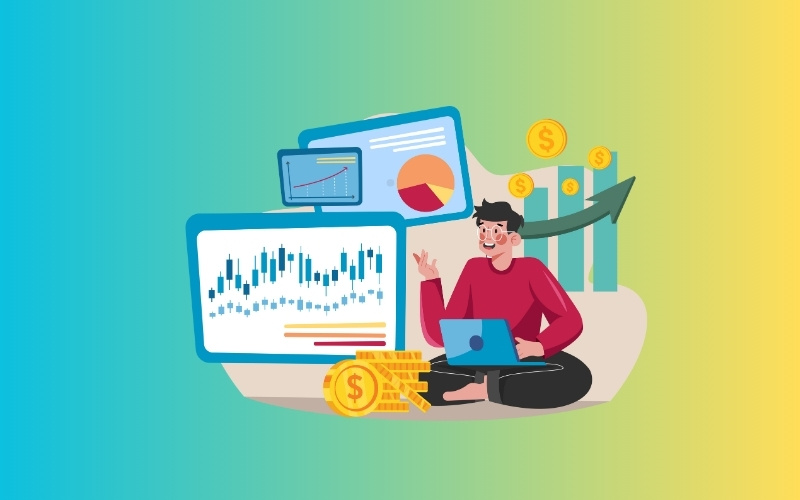
Instead of relying on basic information, a professional ICP should delve into the following factors:
Business identification information (Firmographics):
- Industry/Region: (e.g. Information Technology, Manufacturing, Retailing…)
- Company size: (Number of employees, Annual revenue)
- Geographical location: (Focused on what market?)
- Organizational Structure: (Which department will use your product?)
Background and “Pain” (Context & Pain Points):
- What’s the problem they’re having? (e.g. Manual workflow, high operating cost, low conversion rate…)
- What are their business goals? (e.g. 20% revenue increase, market expansion, performance optimization…)
- The technology they’re using? (Are they using the competitor’s solution?)
- What’s their budget cycle like? (When is it the easiest time for them to make a purchase?)
Note: After having ICP, you can start building Buyer Persona Portrait – i.e. specific people in that company that you need to reach out to (CEO, Marketing Manager, IT Manager…).
Draw a B2B Customer Journey
The B2B customer journey is a complex process, often involving many decision makers, and lasting over many months.
Understanding this journey allows you to create Touchpoints suitable, provide the right information at the right time, and lead the customer naturally.
It’s also crucial for Google to understand and rank your content (Semantic Search) well.
This journey consists of 4 main stages:
- Identification (Awareness): Customers recognize they have a “problem” or “opportunity” but are not clearly defined. At this stage, they often seek general information through blog posts, industry reports, webinars.
- Considerations (Consideration): The customer has identified the problem and starts to search for and compare potential solutions. They will read comparative articles, see case studies, download technical documents (whitepapers) to evaluate.
- Decision (Decision): The customer has narrowed down their options and is ready to make a final decision. The key touchpoints are product demo, detailed quotation, in-depth consultation calls, and trial policy.
- Loyalty & Advocacy: After the purchase, the customer’s experience with the deployment, support, and care service will determine whether they continue to use, buy more, and refer you to others.
PART II: 8 STEPS TO ACCESSING BUSINESS CUSTOMERS
After you have built a solid foundation of your target market and customer, it’s time to move into the actual battle process.
The 8 steps below are not rigid theories, but a flexible route that has proven effective in B2B environments.
Discipline in adherence and optimization of this process will directly determine the results of your sales.
Step 1: Lead Generation & Search
Objectives: Build a list of companies (leads) that best fit your Ideal Customer Portrait (ICP).
This is the beginning stage of the sales funnel. Quality is more important than quantity. A list of 50 high quality leads will be more effective than 500 unrelated leads.
Outbound Source (Active Search):
- LinkedIn Sales Navigator: The most powerful tool to filter companies by industry, size, location and find the right decision makers.
- Business Directory & Industry Association: (e.g. VCCI, Logistics, IT, Real Estate associations, etc.)
- Events & Seminars: Gather a list of attendees or speaker companies.
Inbound Source (Natural Attraction):
- Website: People fill out contact forms, download your documents (ebook, case study).
- Social network: People who interact with the company’s professional posts.
- Action: Create an Excel file or use a CRM system to manage this list scientifically, specifying company information, contacts, positions, sources and priorities.
Step 2: Customer in-depth research (Pre-approach)
Objectives: Understand the context of the customer to personalize the message, making a difference right from the first greeting.
Never approach a B2B client without preparation. Just 15 minutes of research can double your response rate.
Research at the Company level:
- Visit their website: What is their mission, core values, products/services?
- Read recent news: Did they just receive an investment, launch a new product, or have a change in senior personnel?
- See the typical customer/project: Who are they working with?
Research at the Individual Level (Decision Maker):
- “Compare” your LinkedIn profile: Where did they do it, do they have any connections with you, and on what topics do they often share or comment on?
- Google search: Do they write blog posts, get interviewed in the press, or speak at any events?
Action: Take note of the 2 – 3 most expensive pieces of information you can use as an ” excuse” to start a conversation naturally.
Step 3: Channel Selection and Outreach Planning
Objectives: Choose the most effective communication channel for each audience and build a multi-touch approach sequence.
Not all clients are the same. A tech manager might prefer a brief email, while a marketing manager is active on LinkedIn.
Popular channels: Email, LinkedIn, Cold Call, Live Events.
Planning Outreach (Sales Cadence): Build a sequence of actions over time to maximize your chances of getting a response.
For example:
- Day 1: Send a LinkedIn invitation with a personalized message.
- Day 2: Send the first email, mentioning that you’re connected on LinkedIn.
- Day 4: Like/comment a LinkedIn post.
- Day 6: Call for a quick exchange.
- Day 8: Send follow-up emails that provide valuable information (e.g., a case study related to their industry).
Step 4: Make a First Touch
Objectives: Create a professional first impression, grab attention and open the door to a deeper conversation.
This is the critical moment. Your message must focus on they…Not in the… you.
Qua Email:
- Title: Be brief, personalized and piqued. (e.g. “About [Name of the problem] at [Name of the client’s company]”)
- Contents: Start with the information you have researched. Briefly describe the problem you have noticed and suggest a specific value your solution can bring.
- Call to Action (CTA): Clear, specific, and low-risk. (Example: “Would you be able to make a quick 15 minute exchange on Tuesday or Thursday afternoon?”)
Qua LinkedIn: Messages should be shorter and friendlier than emails, focusing on building a pre-sales relationship.
By Phone (Cold Call): Prepare a short script (less than 30 seconds) that introduces who you are, why you are calling, and what value you bring.
Step 5: Presenting the Solution & Dealing with Rejection
Objectives: Switch from “inquiry” to “consultation”, listen to understand the customer’s problem and show that your solution is the most suitable option.
- Listening Technique: Ask open-ended questions that encourage customers to share their difficulties, challenges and goals (SPIN: Situation – Problem – Implication – Need-payoff).
- Solution Presentation: Don’t get caught up in features. Focus on Benefits and… Results of the study that customers will receive. Use data, case studies to prove.
- Rejection Handling: Consider the rejection as an opportunity to better understand the customer’s concerns. Always keep a calm, professional attitude.
- A-C-R Formula: Acknowledge (Recognize their comments) -> Clarify (Clarify for a deeper understanding) -> Respond (Respond with information or an alternative).
Step 6: Care & Pursuit (Follow-up)
Objectives: Maintain a presence in the minds of customers, provide added value, and drive decision-making processes without distractions.
Statistics show that more than 80% of B2B transactions require at least 5 follow-ups. Intelligent persistence is key.
- Golden principle: Each follow-up must bring a new value. Don’t just ask: “Have you seen my quote yet?”.
- How to do: Send them an interesting article about your industry, a new case study of your company, or invite them to a free webinar.
- Systematization: Use CRM to schedule reminders for follow-up activities, ensuring no leads are forgotten.
Step 7: Closing the Deal
Objectives: Naturally lead the customer to the final decision and kickstart the collaboration process.
- Recognize the signal of purchase: Customers began to inquire about terms, implementation process, support policies …
- Summarize the value: Restate the main issues discussed and affirm how your solution will solve them.
- Make clear suggestions: Specifically describe the next steps (e.g., “I’ll send you a sample contract to see, and then we can schedule a call to finalize terms next Wednesday?”).
Step 8: After Sales Care & Build Long-term Relationships
Objectives: Turn a new customer into a loyal partner and a source of future lead referrals.
The sale does not end when the contract is signed. In B2B, this is when the relationship really begins.
- Onboarding process: Ensure the best customer experience from the beginning, smooth handover to the technical department or customer care.
- Keep in touch periodically: Call them, email them about new features, congratulate them on milestones.
- Search Upsell/Cross-sell opportunities: Once you have established trust, see if you can offer additional solutions to add value to the relationship.
- Recommendations (Referral): A satisfied customer is the most effective marketing channel. Do not hesitate to ask them to introduce you to others in their network.
PART III: EFFECTIVE ONLINE ACCESS CHANNEL
Skipping online channels means you’re out of the game. Not only is it a place to find customers, but it’s also a place to build your personal brand, showcase your expertise, and build trust before you even start pitching.
1. LinkedIn – “Gold Mine” B2B
LinkedIn is no longer a job hunting website, but has become the largest professional network on the planet, where every important B2B conversation takes place.
Building a Professional Personal Profile:
Think of your profile as a sales “landing page.”
- Representative & Cover Photo: Professional, clear-faced and show your profession.
- Headline (Headline): Don’t just write titles. Write a sentence describing the value you bring. For example, instead of “Sales Officer,” write “Help Logistics businesses optimize their operating costs through technology solutions.”
- Summary (Summary/About): Tell a short story about how you helped customers, the problems you solved, and your accomplishments.
Search and connect:
- Use advanced search filters to localize customers by industry, company, position, geography.
- When sending a connection invitation, always include a personalized message, referring to a common point or a specific reason you want to connect.
Social Selling:
This is the art of using LinkedIn to find, connect, understand, and nurture relationships.
Give before you receive it back: Regularly share valuable articles and professional knowledge. Comment intelligently on potential customers’ posts to show your interest and expertise. Join industry groups to listen and participate in discussions.
2. Email Marketing & Cold Email
Email remains one of the most formal and effective B2B communication channels if done properly.
Difference:
- Email Marketing: Use to nurture a list of customers who already know you (subscribers).
- Cold Email: Used to reach potential customers for the first time.
Tips to write Cold Email effectively:
Title decides all: Be brief, personal, and curious.
- Good examples: “Quick process questions at [Name of the client company]”
- Currency example: “Great business cooperation opportunity”
Contents according to the formula 3P:
- Personalize (Personalization): Start with a sentence that shows you’ve done some research about them. “I saw your recent post on the challenge of X industry…”
- Problem & Proposition: Briefly describe the problem you suspect they are having and how your solution might help. “Many companies in industry X are having trouble getting Y. Our solution has helped Z increase performance by 20%…”
- Prompt (Call to Action): Make a clear and easy call to action. “Would you be willing to make a 15 minute quick swap next week?”
Supporting Tools:
- Search Email: Hunter.io, Apollo.io, Snov.io.
- Bulk Email & Tracking: Mailchimp, HubSpot, Mailshake.
3. Content Marketing & SEO (Inbound Method)
Instead of actively hunting, Inbound Marketing is a method of growing “fragrant flowers” for “butterflies” to find themselves. You attract customers by creating valuable content, solving the right problems they are looking for.
- Specialized Blog Writing: Answer questions that your prospects often search for on Google. Each article is a “salesman” who works 24/7 for you.
- Create Ebook, Whitepaper, Case Study: These are quality “lead magnets”. Provide these in-depth materials for free in exchange for contact information (email, phone number) of potential customers.
- Webinar Organization (Online Workshop): An extremely effective way to generate high-quality leads, while building your expert position and interacting directly with dozens and hundreds of potential customers at the same time.
4. Paid Ads
Once you have a clear message and customer portrait, paid advertising is the fastest way to get that message to the right audience on a large scale.
- LinkedIn Ads: The most powerful B2B advertising platform, allowing you to target super-details based on: Title, Rank, Industry, Company Size, Skills, Name of specific company…
- Google Ads: Focus on catching high-demand customers, actively search for keywords related to your products/services (e.g. “HR management software”, “ISO consulting services”). Combine with Remarketing campaigns to re-reach those who have visited your website.
PART IV: OFFLINE COMMUNICATION ACCESS CHANNEL
As technology advances, the power of handshakes and face – to – face conversations remains irreplaceable, especially with high – value contracts.
Participate in Events, Workshops, Industry Exhibitions
This is a place where your potential customers and partners in your industry are located.
- Before the event: Make a list of companies, speakers, guests you want to meet. Proactively contact to book an appointment in advance to save time.
- In the event: The main goal is to build relationships and gather information, not to sell immediately. Listen more than you talk. Instead of handing out visit cards, open LinkedIn and connect on the spot.
- After the event: Send follow-up emails/messages within 24-48 hours to thank and remind of the conversation, suggesting next steps.
Networking & Leveraging Referral Relationships
Networks are the most valuable asset of the entrepreneur.
Networking Thinking: Farming, not hunting – Cultivate long – term relationships instead of quick – fire hunting. Always seek to help others before asking for help.
Referral Extraction:
A referral from a satisfied customer has a higher closing rate than any other channel.
- Golden time to suggest: As soon as the customer accepts the project successfully or when they expressed special satisfaction with your service.
- Suggested Way: Be straightforward and make it easy. “I’m so happy that the solution worked for us. Do you know of any other businesses in the industry that are facing similar difficulties?”
Cold Calling 2.0: Making Phone Calls in the Digital Age
Traditional “Cold call” is dead. “Cold call 2.0” is a strategic, research-driven and value-focused call.
This is a “Warm Call”: You never call without knowing them. Use the information from Step 2 (Part 3) to get a relevant start.
The goal of the call is to have an appointment, not to make a sale: Do not try to present everything over the phone. Your only goal is to get a 15-30 minute appointment.
30 Seconds Opening Scenario:
- Step 1 – Introduction: “Hi [Name], I’m [Name] from [Company Name].”
- Step 2 – Reasons to Call (Personalization): “I’m calling because I saw my company recently had [Events/News] and I have an idea about how [Benefits] might help my side.”
- Step 3 – Apply for permission: “Would you mind a quick 30 – second exchange?”
PART V. Occasional AMENDMENTS UPON RECEIVING CORPORATE CUSTOMERS
Knowledge and process are necessary, but it’s equally important to recognize and avoid common mistakes.
Here are the “traps” that many B2B salespeople, including experienced ones, often fall into. These are expensive lessons that will save you time and effort and do not harm your own reputation.
Lack of Preparedness, Research (The Unprepared Salesperson)
- Expression: Sending soulless mass emails with the greeting “Dear Company”, making phone calls without knowing what the customer’s main product is.
- Consequences: Your message will be deleted immediately. Not only will you fail to make a sale, but you will ruin the first impression, making next time’s approach impossible.
- Solution: Always comply Step 2: Pre-approach. It takes only 15 minutes of preparation to find out what one has in common, one relevant information is enough to make a difference.
Focus on selling products, not solutions (The Product Pitcher)
- Expression: Sports endlessly on the features, specifications, technology of the product without understanding the context or the real problem of the customer.
- Consequences: Customers feel you don’t understand them and don’t care about them. They don’t buy features, they buy Results of the study and… Solution to their problems.
- Solution: Be a doctor, not a drug dealer. Start with the “diagnosis” – ask questions, listen to understand the customer’s “pain” before “prescribing” (presenting the solution).
Giving up too soon, not chasing to the end (The Impatient Follow-upper)
- Expression: Send 1-2 emails, make 1 call, no response and immediately switch to new customers.
- Consequences: You are missing out on over 80% of the potential opportunities. B2B decision-making processes are long, silence does not mean denial, maybe they are just busy or need more time.
- Solution: Develop a follow-up plan and persist, each touch brings a new value as mentioned in Step 6:.
Speaking Too Much, Not Listening (The Monopolizer)
- Expression: Take up all the time in the conversation, interrupting the customer and assuming you know what they need.
- Consequences: You miss important information, you do n’t capture your own concerns, and you leave customers feeling disrespected.
- Solution: Follow the 80/20 rule – let the customer speak 80% and you only speak 20%. Active listening skills are the strongest weapons of an excellent B2B salesperson.
Don’t know who the decision maker is (The Wrong Targeter)
- Expression: Take weeks, even months, to convince someone who has no authority to sign approvals or allocate budgets.
- Consequences: Wasting resources and time in vain. No matter how much the person likes your solution, they can’t help you close the contract.
- Solution: From the research stage and first interactions, skillfully ask questions to draw an organizational diagram and identify the “Buying Committee”, which includes: Users, Influencers, and Decision Makers.
PART V: SUPPORTING TOOLS FOR SALER B2B
Technology can’t replace people, but it can help you work smarter, be more efficient and manage your processes scientifically.
CRM System (Customer Relationship Management)
This is the “central brain” of all sales activities, helping you manage all information and interactions with customers in one place.
- HubSpot: Features a very powerful free version of CRM, friendly interface, extremely suitable for small and medium enterprises (SMEs) and startups.
- Salesforce: Leading CRM solution in the world, powerful, highly customizable, suitable for large businesses with complex processes.
- Zoho CRM: Another popular option with reasonable cost and diverse application ecosystem.
Information & Email Search Engine
Help you quickly find out the exact contact information of potential customers.
- Hunter.io / Snov.io: Allows you to search email addresses based on a company’s domain name.
- LinkedIn Sales Navigator: Indispensable tool to search, screen B2B customers and track purchase signals.
Social Media Management & Automation Tools
Help you build your personal brand and save time in sharing content.
- Buffer / Hootsuite: Schedule mass posting on social media (especially LinkedIn), which will help you maintain a regular presence.
- IFTTT (If This Then That): Create simple automation sequences, for example, automatically share your company’s new blog post to your LinkedIn.
Conclusion
💡 If your team needs a well-crafted customer outreach machine instead of manual, refer to Duandigi’s SEO & marketing services to shorten the distance.
The journey to reach and conquer business customers is a marathon, not a sprint. It requires a skillful combination of Strategic thinking – Process – Flexibility skills – and persistence.
Through this article, we have come together through a comprehensive roadmap: from building a solid foundation with a thorough understanding of the market and customers, going deep into the 8-step process of combat, exploring online and offline approaches, to identifying mistakes to avoid and equipping the necessary support tools.
